

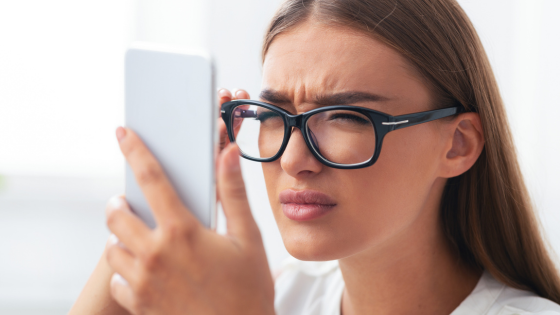
Did you know the average person spends over 6 hours a day staring at a mobile screen? That’s nearly 2,200 hours a year, and your eyes are paying the price.
If you’ve ever finished scrolling through your phone only to feel a dull ache behind your eyes, blurred vision, or a throbbing headache, you’re not alone. Eye pain after mobile use has become one of the most common complaints among people of all ages, from school-going children to working professionals.
The good news? You don’t have to live with the discomfort. In this blog, we’ll walk you through why this happens, what you can do about it right now, and when it’s time to see a specialist.
What Is Digital Eye Strain?
Digital eye strain, also called Computer Vision Syndrome (CVS), is a group of eye and vision-related problems that result from prolonged use of digital screens, including smartphones, tablets, laptops, and televisions.
When you look at a phone screen, your eyes are constantly focusing, refocusing, and adjusting to the brightness, contrast, and movement on the screen. Over time, this puts enormous stress on the muscles around your eyes.
Unlike printed text, digital screens have pixelated images that lack sharp edges. This makes it harder for your eyes to maintain focus, causing the eye muscles to work overtime, and that’s exactly when eye pain kicks in.
Why Does Mobile Use Cause Eye Pain?
Understanding the root cause is the first step toward finding the right mobile screen eye strain treatment. Here are the main reasons your eyes hurt after using your phone:
1. Reduced Blinking
On average, humans blink about 15 to 20 times per minute. But when we’re glued to a screen, that number drops to as low as 5 times per minute. Blinking keeps your eyes moist and refreshed. Less blinking means drier, more irritated eyes.
2. Blue Light Exposure
Mobile screens emit high-energy blue light that penetrates deep into the eye. Prolonged exposure can cause retinal stress, disrupt your sleep cycle, and contribute to long-term eye damage if left unchecked.
3. Screen Too Close or Too Bright
Holding your phone too close to your face forces your eyes to converge (turn inward) more than they naturally should. Combine that with a screen that’s too bright for the room you’re in, and your eyes are constantly working against themselves.
4. Poor Lighting Conditions
Using your phone in a dark room, or in harsh sunlight, forces your pupils to constantly adjust. This continuous adaptation causes muscle fatigue, one of the primary triggers of eye pain after mobile use.
5. Incorrect Screen Angle
Looking down at your phone for extended periods strains not only your eyes but also the muscles around your neck and shoulders, which can make the eye discomfort feel even worse.
Common Symptoms of Mobile-Related Eye Strain
How do you know if your eye pain is from your phone? Watch out for these signs:
- Burning or stinging sensation in the eyes
- Redness or watery eyes
- Blurred or double vision after screen use
- Difficulty focusing when switching from screen to distance
- Frequent headaches, especially around the temples or forehead
- Sensitivity to light
- Dry, itchy, or tired-feeling eyes
- Neck and shoulder pain accompanying eye discomfort
If you’re experiencing most of these symptoms regularly, it’s time to take action.
How to Reduce Eye Pain From Phone: Practical Tips That Work
The question everyone asks is: how to reduce eye pain from the phone quickly and effectively? Here are proven strategies backed by eye care experts:
Follow the 20-20-20 Rule
This is the golden rule of screen health. Every 20 minutes, look at something 20 feet away for at least 20 seconds. This gives your eye muscles a chance to relax and reset.
Set a reminder on your phone if needed. It takes only 20 seconds and makes a significant difference over time.
Adjust Your Screen Brightness and Contrast
Your screen brightness should match the ambient light in the room. If you’re in a dimly lit room, lower your screen brightness. In bright outdoor settings, increase it.
Also, increase the text size on your phone rather than squinting at small fonts. Most smartphones have accessibility settings that make this easy.
Enable Night Mode or Blue Light Filter
Most modern smartphones come with a built-in night mode or blue light filter. Turning this on, especially in the evening, can significantly reduce the strain on your eyes.
You can also invest in blue light filtering glasses if you’re a heavy screen user. Many people who have adopted this habit report a noticeable reduction in eye pain after mobile use.
Blink More Consciously
Sounds simple, but it works. Make a conscious effort to blink fully and regularly when using your phone. You can also try the “palming” technique, rub your palms together to generate warmth, then gently cup them over your closed eyes for 30 to 60 seconds. This soothes tired eye muscles instantly.
Keep the Right Distance
Hold your phone at least 40 to 50 centimetres (about 16 to 20 inches) from your face. This is considered the safe viewing distance that reduces the convergence effort your eyes need to make.
Use Artificial Tears
Over-the-counter lubricating eye drops (artificial tears) can provide quick relief from dryness and irritation. However, avoid eye drops that claim to “remove redness” as these can cause dependency over time. Always consult a doctor before using any eye drops regularly.
Take Regular Screen Breaks
Don’t use your phone for more than 30 to 40 minutes at a stretch without a proper break. Get up, walk around, look out of a window, or simply close your eyes for a minute. Your eyes will thank you.
Optimize Your Phone Settings
- Increase font size
- Use dark mode where possible
- Reduce screen refresh rate sensitivity
- Enable auto-brightness adjustment
These small tweaks go a long way in managing mobile screen eye strain treatment at home.
Long-Term Habits That Protect Your Eyes
Reducing eye pain isn’t just about what you do in the moment, it’s about building better habits over time.
Get Your Eyes Checked Regularly
Many people who suffer from eye strain actually have an underlying refractive error, like nearsightedness or astigmatism, that hasn’t been corrected. Wearing the wrong glasses, or not wearing glasses at all, significantly worsens digital eye strain.
An annual eye examination can catch these issues early and give you the right prescription to make screen use comfortable.
Stay Hydrated
Dehydration reduces tear production, making your eyes drier and more prone to irritation. Drinking enough water throughout the day supports overall eye health.
Eat for Your Eyes
A diet rich in omega-3 fatty acids, lutein, zeaxanthin, vitamins A, C, and E, and zinc supports long-term eye health. Foods like leafy greens, carrots, fish, nuts, and eggs are excellent choices.
Limit Screen Time Before Bed
Using your phone within an hour of sleep doesn’t just hurt your eyes, it suppresses melatonin and disrupts your sleep. Poor sleep, in turn, makes your eyes even more sensitive and tired the next day. It’s a vicious cycle best broken by keeping the phone away at bedtime.
When Should You See a Doctor?
Home remedies and lifestyle changes work well for mild to moderate eye strain. However, there are situations where seeing an eye specialist is not just recommended, it’s essential.
You should book an appointment with an eye doctor if:
- Your eye pain persists even after resting your eyes
- You experience sudden vision loss or blurred vision that doesn’t improve
- There is pain accompanied by redness and discharge
- You notice flashes of light or floaters in your vision
- Headaches are frequent and severe
- Eye pain is affecting your daily life and work
Ignoring persistent eye symptoms can lead to worsening conditions that become harder and more expensive to treat.
Eye Care You Can Trust in Secunderabad
If you’re based in Hyderabad or nearby areas and are looking for professional help, EyeCure Hospital is a leading eye hospital in Secunderabad dedicated to providing complete eye care solutions.
Whether you’re dealing with chronic eye pain after mobile use, digital eye strain, dry eye syndrome, or any other vision-related concern, EyeCure Hospital offers:
- Comprehensive eye examinations
- Dry eye treatment and management
- Prescription glasses and contact lens consultations
- Advanced diagnostic technology
- Expert ophthalmologists with years of experience
As a trusted eye hospital in Secunderabad, EyeCure Hospital combines cutting-edge technology with compassionate care, so you get accurate diagnosis and effective treatment without the wait or worry.
Don’t wait until minor discomfort becomes a serious problem. Your eyes deserve expert care.
Children and Mobile Eye Strain: A Growing Concern
While adults are the primary users of smartphones, children are increasingly at risk. With online schooling, gaming, and social media, children as young as 5 are spending hours on screens daily.
Children’s eyes are still developing, which makes them particularly vulnerable to digital eye strain and long-term vision problems like myopia (nearsightedness), which has been rising sharply in children globally.
Parents should:
- Limit screen time to age-appropriate levels (as recommended by paediatricians)
- Ensure good lighting during screen use
- Encourage outdoor play, which has been shown to reduce the risk of myopia
- Schedule regular eye check-ups for children, even if they don’t complain of pain
Early detection and correction of vision problems in children can prevent a lifetime of poor eyesight.
Workplace Eye Health: Tips for Professionals
If your job involves long hours on a laptop or smartphone, mobile screen eye strain treatment should be part of your workplace wellness routine.
Here’s how to protect your eyes at work:
- Position your monitor at arm’s length and slightly below eye level
- Use an anti-glare screen protector on your monitor or phone
- Ensure your workspace is well-lit without harsh overhead lighting or direct sunlight on the screen
- Take a proper lunch break away from all screens
- Talk to your employer about ergonomic adjustments if needed
Many companies are now recognising digital eye strain as a workplace health issue. Taking it seriously can improve both your comfort and your productivity.
Myths About Eye Pain and Mobile Screens
Let’s clear up a few common misconceptions:
Myth 1: Sitting close to the screen permanently damages your eyes. Fact: While it causes strain, there is no proven evidence that proximity alone causes permanent damage in adults. However, it is best avoided.
Myth 2: Eye pain from screens will go away on its own. Fact: Without changes in habits or treatment, the condition often worsens over time.
Myth 3: Only older people get eye strain. Fact: Eye strain affects people of all ages, including teenagers and young adults.
Myth 4: Glasses make your eyes worse. Fact: Wearing the correct prescription glasses reduces strain and does not weaken your eyes.
Conclusion
Eye pain after mobile use is more than a minor annoyance, it’s your body’s way of telling you that something needs to change. The solution begins with small, consistent steps: following the 20-20-20 rule, adjusting your screen settings, staying hydrated, and blinking more.
But most importantly, don’t ignore persistent symptoms. Whether you’re a student, a professional, or a parent worried about your child’s vision, getting a proper eye examination is always the smartest first step.
If you’re in or around Secunderabad, the expert team at EyeCure Hospital is here to help. From diagnosing digital eye strain to offering advanced treatments for complex eye conditions, they provide the full spectrum of eye care, all under one roof.
Frequently Asked Questions (FAQs)
Q1. How long does eye pain after mobile use last?
Mild eye strain usually resolves within a few hours of rest. If the pain persists for more than a day or two despite resting your eyes, it’s advisable to see a doctor.
Q2. Can mobile phone use cause permanent eye damage?
Prolonged unmanaged screen exposure can contribute to conditions like dry eye disease and may accelerate myopia. While rare, ignoring symptoms over many years can lead to more serious outcomes.
Q3. What is the best mobile screen eye strain treatment at home?
The 20-20-20 rule, adjusting screen brightness, using artificial tears, taking regular breaks, and enabling blue light filters are the most effective home treatments.
Q4. Are blue light glasses effective for eye pain?
Blue light blocking glasses can help reduce discomfort, particularly in the evenings. However, they are not a substitute for proper eye check-ups if you have an underlying vision issue.
Q5. How often should I get my eyes checked if I use screens a lot?
Heavy screen users should ideally get their eyes examined once a year. If you wear glasses or contact lenses, your prescription may need updating more frequently.
Q6. Where can I find a reliable eye hospital in Secunderabad?
EyeCure Hospital is a trusted eye hospital in Secunderabad offering comprehensive eye care for all ages. Visit eyecurehospital.com to book an appointment.