

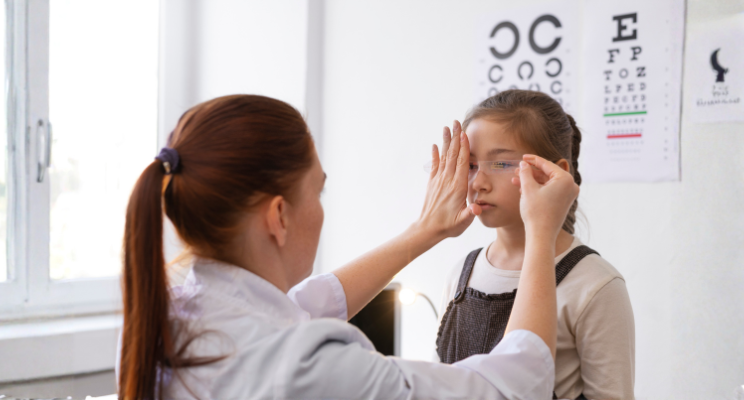
A child’s world is shaped by what they see. From classroom learning to outdoor play and digital exposure, healthy vision plays a vital role in overall development. Yet, many parents overlook early signs of vision issues because children often don’t realise, or communicate, that something is wrong.
Prioritising children’s eye care is not just about treating problems; it’s about preventing them. With rising screen usage and academic demands, regular pediatric eye check-ups have become more important than ever.
Here’s a practical, parent-friendly eye health checklist to help you safeguard your child’s vision and identify early vision problems before they impact learning and confidence.
Why Eye Health Matters in Childhood
Vision is directly connected to learning. Studies suggest that a significant percentage of classroom learning depends on visual input. If a child struggles to see clearly, it may affect:
- Reading ability
- Concentration
- Hand-eye coordination
- Academic performance
- Social confidence
Because children often assume their vision is “normal,” early vision problems can go unnoticed for years unless parents actively monitor eye health.
Eye Health Checklist for Parents
1. Schedule Regular Pediatric Eye Check-Ups
Routine pediatric eye check-ups are essential, even if your child doesn’t show obvious symptoms.
Recommended schedule:
- First screening: Before 1 year of age
- Preschool check: Around 3–5 years
- School-age children: Once every 1–2 years
Early screenings help detect refractive errors, lazy eye (amblyopia), squint (strabismus), and other early vision problems that are easier to treat when identified early.
2. Watch for Warning Signs at Home
Children may not complain about poor vision. Instead, look for behavioural clues:
- Squinting while watching TV
- Sitting too close to screens
- Frequent eye rubbing
- Complaints of headaches
- Difficulty reading or holding books too close
- Tilting the head while focusing
These signs may indicate underlying early vision problems that require professional evaluation.
3. Monitor Screen Time Carefully
Digital devices are now part of childhood. However, excessive screen exposure can lead to:
- Digital eye strain
- Dry eyes
- Blurred vision
- Increased risk of myopia progression
Encourage the 20-20-20 rule:
Every 20 minutes, look at something 20 feet away for at least 20 seconds.
Balanced screen habits are a critical part of modern children’s eye care.
4. Ensure Proper Lighting for Study Time
Poor lighting while reading or studying can strain young eyes. Make sure:
- Study areas are well-lit
- Light falls from behind or over the shoulder
- Glare from screens is minimized
Healthy visual habits reduce fatigue and improve focus.
5. Encourage Outdoor Activities
Spending time outdoors has been linked to a reduced risk of developing myopia (short-sightedness). Encourage your child to:
- Play outside daily
- Limit continuous indoor screen use
- Engage in sports that improve coordination
Natural light exposure is beneficial for long-term eye development.
6. Know the Common Early Vision Problems in Children
Understanding what to look for empowers parents. Common early vision problems include:
- Refractive errors (myopia, hyperopia, astigmatism)
- Amblyopia (lazy eye)
- Strabismus (misaligned eyes)
- Color vision deficiency
- Eye infections or allergies
Early detection dramatically improves treatment outcomes. Delayed diagnosis may lead to permanent vision impairment in severe cases.
7. Protect Their Eyes During Sports & Activities
If your child participates in sports, consider protective eyewear. Eye injuries are preventable with proper safety measures.
For swimming, use protective goggles. For outdoor activities, UV-protective sunglasses help shield developing eyes from harmful sun exposure.
When Should You Visit an Eye Specialist Immediately?
Seek medical attention if your child experiences:
- Sudden vision changes
- Eye redness with discharge
- Persistent eye pain
- Light sensitivity
- White reflection in pupil photographs
Timely evaluation is crucial in managing serious conditions.
The Role of Specialized Pediatric Eye Care
Children are not just “small adults.” Their eyes are still developing, and their visual needs are unique. Consulting experienced specialists ensures accurate diagnosis and age-appropriate treatment plans.
At Eyecure Hospital, pediatric eye care is approached with precision, compassion, and advanced diagnostic support. From routine pediatric eye check-ups to managing complex early vision problems, the focus is always on early intervention and long-term visual health.
With child-friendly environments and experienced ophthalmologists, parents can feel confident that their child’s eye health is in expert hands.
Prevention Is Always Better Than Cure
Healthy vision shapes academic success, confidence, and overall development. By prioritising children’s eye care, scheduling timely pediatric eye check-ups, and staying alert to early vision problems, parents can protect one of their child’s most valuable senses.
A simple checklist today can prevent major complications tomorrow.
If you haven’t scheduled your child’s eye examination yet, this is the right time to act, because clear vision is the foundation of a bright future.